
Tadhg Charles, Ley Lines – sharing stories through technology
Gallery opening hours: Wednesdays 11am – 5pm, Saturdays 11am – 3pm
Today, technology connects us more than ever but it can also isolate us and blur the truth of what we see.
This exhibition brings together stories, objects, and digital experiments created by Redbridge residents through a six-week series of participatory workshops. The project asked the question: how do we understand through the things we keep, the routes we walk, and can technology help us understand and share this with one another?
“The title ’Leylines’ actually came about as a way of describing these invisible connections between things – the invisible leylines and connections between objects, people and place and how these often overlooked and invisible leylines help people’s understanding of an area, a person, a place and a community.” – Tadhg Charles
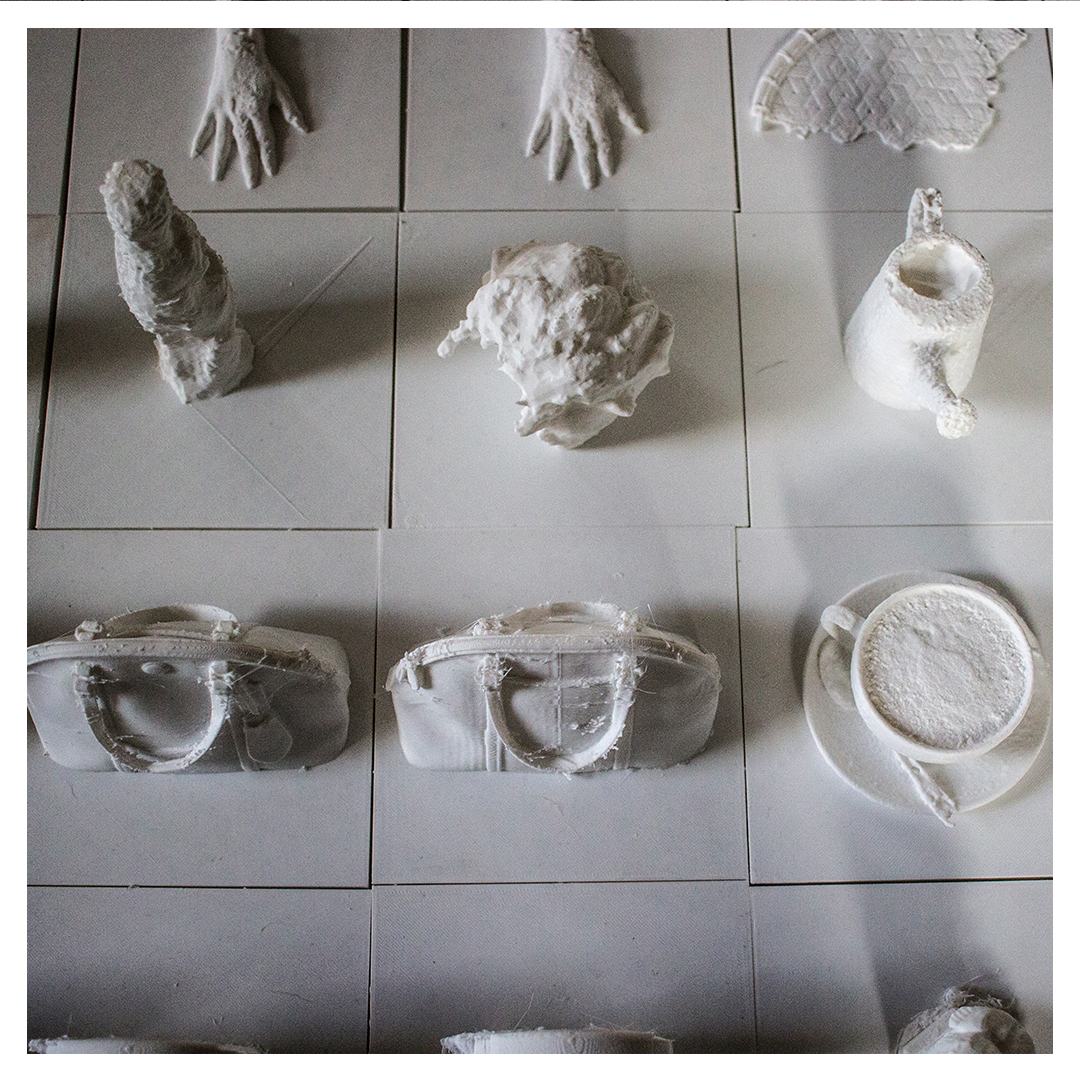
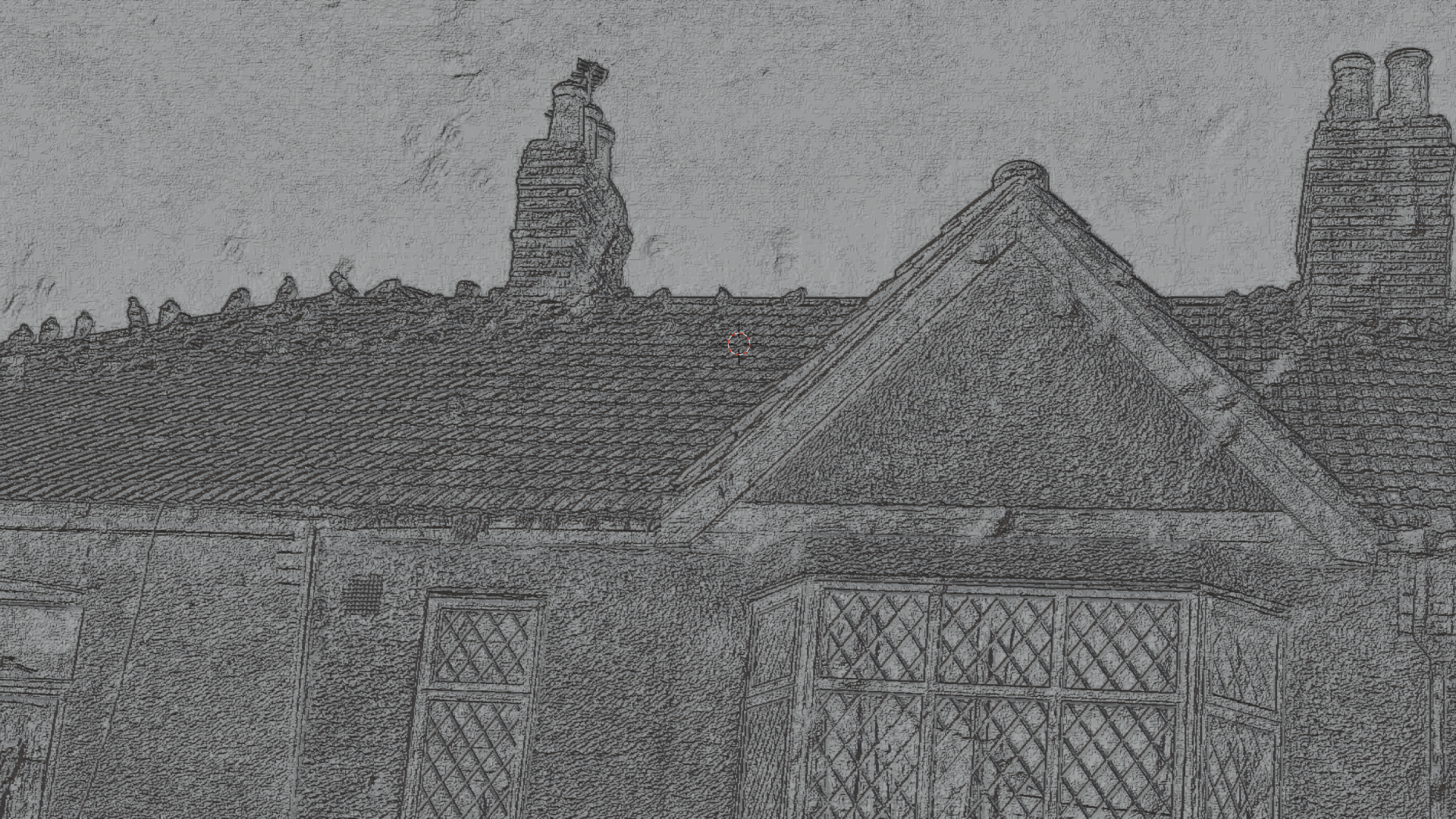
Working with local participants, the project combined personal storytelling with digital tools such as 3D scanning, photogrammetry, sound recording. Participants were invited to write from the perspective of everyday objects, capture ambient sounds of familiar places, create digital replicas of personal artefacts, and reimagine Redbridge through both physical and digital forms. Together, these activities built a shared creative archive of memory and belonging.
The approach was shaped by several guiding ideas. Participatory Action Research (PAR) ensured that participants were not just subjects of the study but co-creators of the work. Practice-Based Research recognised making and experimenting as forms of knowledge in their own right. Drawing on Georges Perec’s* notion of the infraordinary, the project focused on small, everyday details from a local roundabout to a broken peg as carriers of cultural memory. Ideas from critical digital heritage encouraged participants to reflect on what is gained and lost when stories are digitised, while object biography framed artefacts as witnesses to lived experience.
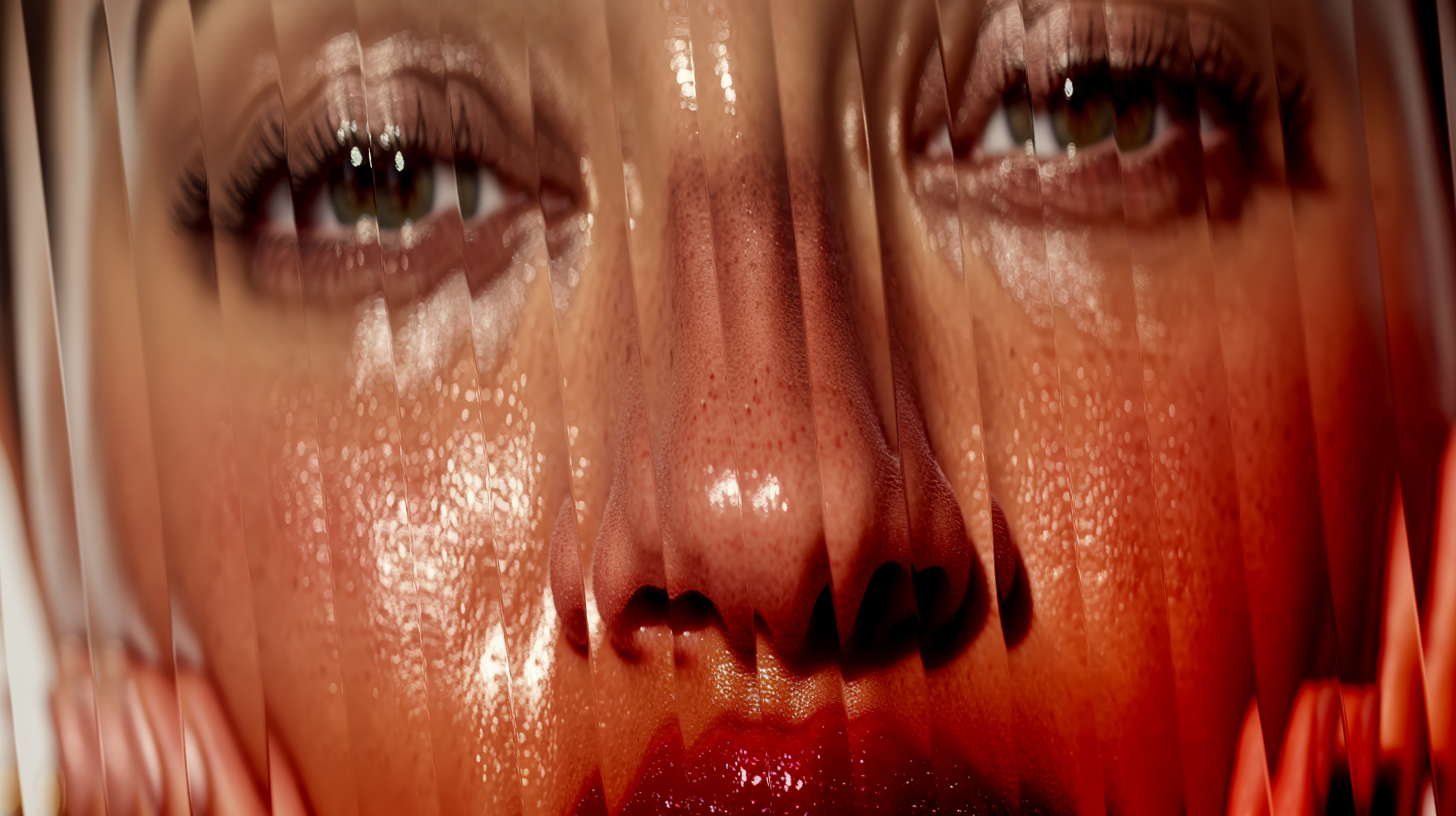
The results are diverse and imaginative: digital scans sit alongside written reflections, soundscapes, and AI-generated imagery. Some pieces are playful, others deeply personal, all connected and tied together by the desire to explore how memory, identity, and technology intersect. By pausing to focus on these overlooked fragments, the project creates a living archive of the Ilford/Redbridge area as experienced from the ground up. This exhibition is both a culmination and an invitation: to listen, to look closer, and to reflect on how the personal and the digital can combine to tell new stories of place and augment our abilities for sharing and understanding.
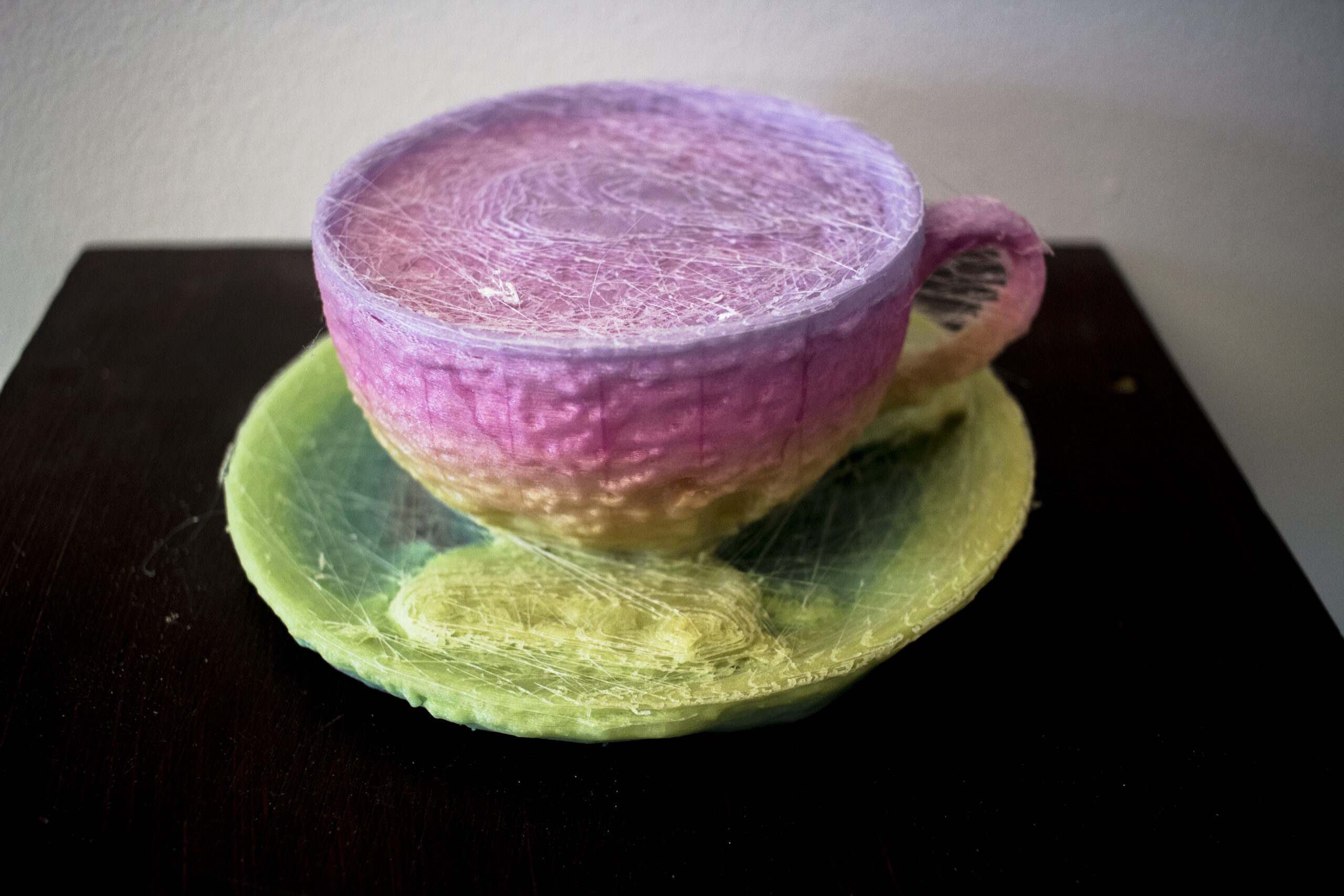
“The entire exhibition is about Redbridge – how recognisable the area will be to people who visit the exhibition is a different question but part of what makes the exhibition so interesting. We’ve taken super ordinary objects – someone brought in photos of their favourite coffee cup from a local coffee shop or a photo of their garden and we’d explore how to portray those through 3-D Printing for example. It’s about playing with very, very mundane things, used and experienced everyday and thinking about how that can tell a story about a person, a place and a community.
A big question for me during the workshops and the exhibition installation was – what aspects of this exhibition can be shared? So we have a large amount of stuff in our exhibition which is tactile and can be touched. People attending will be invited to re-arrange the works and move things around and put their own stamp on the space – just as a way of getting a better understanding of things and a better sense of involvement.
We’ve really tried to think of this as a real community arts exhibition down to the audience viewing the exhibition themselves so in the installation set up we’ve thought about everyone from having things that small children and little people can engage with right up to elderly people and everyone in-between. There is something that for people that have never visited an exhibition before through to those used to going to galleries – we want this exhibition to be tactile and accessible for everyone.” – Tadhg Charles
Tadhg Charles is an artist, architectural designer and educator, whose work explores how emerging technologies can make creative practice more inclusive, participatory, and accessible. Blending architecture, digital tools, and storytelling, he builds bridges between disciplines, audiences, and modes of making.
Working across Europe, Tadhg leads hands-on workshops and postgraduate teaching in areas such as 3D printing, photogrammetry, and immersive environments. His approach centres on demystifying complex tools, enabling learners of all backgrounds including those without prior digital experience to experiment, create, and express ideas through technology.
A core part of his practice involves co-creation with user groups who may have limited access to digital media. Whether guiding students, artists, or communities, Tadhg treats technology not simply as a toolset, but as a storytelling framework one that invites participation, fosters agency, and builds shared understanding.
He has exhibited his work at the Röhsska Museum in Gothenburg and presented at festivals such as the AHA Arts & Technology Festival (Sweden) and Imagining Interiors (Scotland). He worked with the Open House Ireland team in 2024 producing tactile models for accessible tours as part of the festival and spoke at the Open House Europe Annual Symposium on access and technology.
Tadhg’s current research explores sustainable digital fabrication, including the development of a custom 3D printer for clay investigating how low-cost, organic materials can expand creative access and redefine the role of craft in contemporary design.
Across all his projects, Tadhg is guided by a belief that creativity should be collaborative, technology should be empowering, and design should be a shared cultural language.
With special thanks to the participants, whose creative contributions helped shape this exhibition.
Amina Ishaq, Anne Koice Manuales, Chi, Fathima Rizwana Adamlebbe, Ganesh Gaikwad, Hazna Haleem, Ifeoma Kanu, Mea Ghafoor, Mena Ogbuehi, Rayla Begum.
Curators: Tadhg Charles – Artists & Premlata Mistry Head of Programmes SPACE
Programmes Co-ordinator: Daniel Picone – SPACE
Technician: Ellis James Lee
Supported by Arts Council England